Join us at our upcoming Climate Adaptation x Futures Wheel Workshop on 4 November 2026, Wednesday!
Seeds of Change: Learning to Navigate Complexity Together
Reflections from the first three workshops on systems thinking and environmental sustainability in Singapore
PAST EVENT
5/18/20263 min read
What Happens When We Slow Down to See Systems?
Many sustainability challenges cut across sectors, scales, and competing priorities. Yet we are often expected to respond through linear plans and fragmented approaches to change. What happens when we slow down enough to see the systems shaping these challenges more clearly?
Earlier this year, The Shoal Co. launched Seeds of Change: a public workshop series designed for collective sensemaking around complex sustainability challenges. Bringing together practitioners from NGOs, philanthropy, community organisations, academia, social enterprise, government, and citizen communities, the series explores how systems thinking and futures tools can help us navigate uncertainty and expand the range of possibilities we are able to imagine.
Across the first three workshops, more than 90 participants came together around different sustainability challenges and systems tools — from marine conservation and urban food systems to human–wildlife coexistence. Despite these differences, participants repeatedly returned to similar questions: What assumptions shape the outcomes we see? Whose perspectives are missing? And how do we navigate tensions that cannot simply be solved away?
Here are some reflections from the journey so far.
Marine Conservation x 3D Mapping
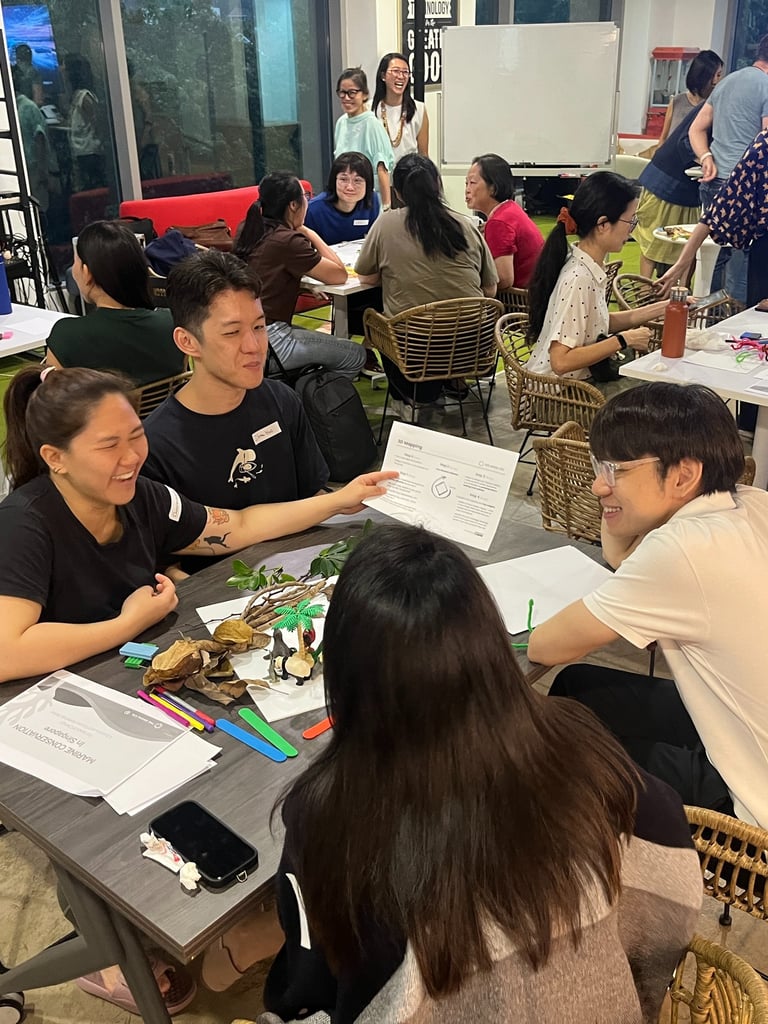
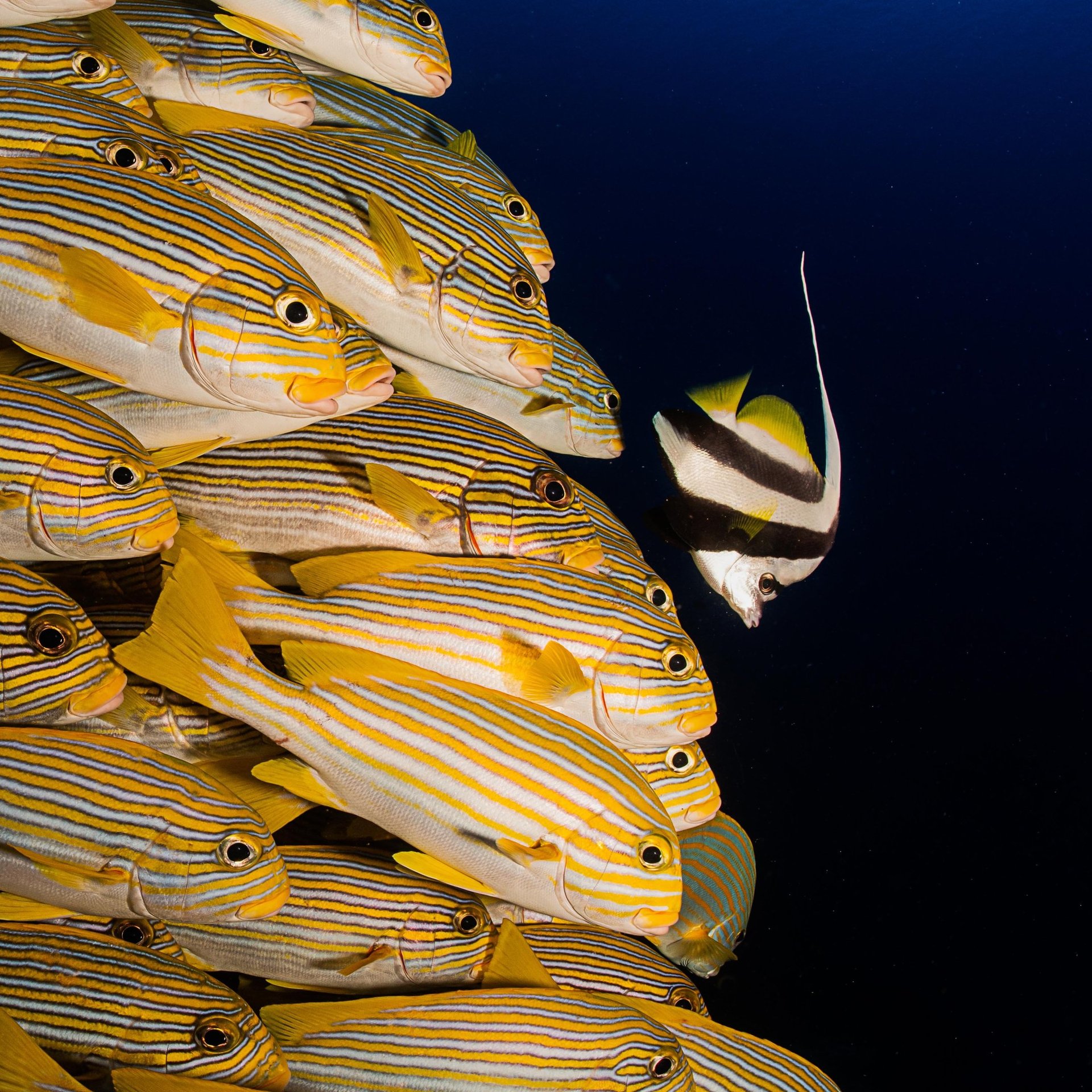
Our journey began with the seas surrounding our island. In collaboration with Our Blue Spaces, the first workshop explored the often-invisible systems shaping marine conservation in Singapore.
The Systemic Question
Why do marine ecosystems remain difficult to protect even when local awareness-raising and restoration efforts are growing?
What Emerged
Participants surfaced the disconnect between Singapore’s coastal identity and public perceptions of our seas. Conversations highlighted how conservation outcomes are influenced not only by ecological interventions, but also by urban development priorities, visibility of marine spaces, education, and collective mental models around what constitutes “nature” in a highly urbanised city.

Urban Food Systems x Iceberg Modeling
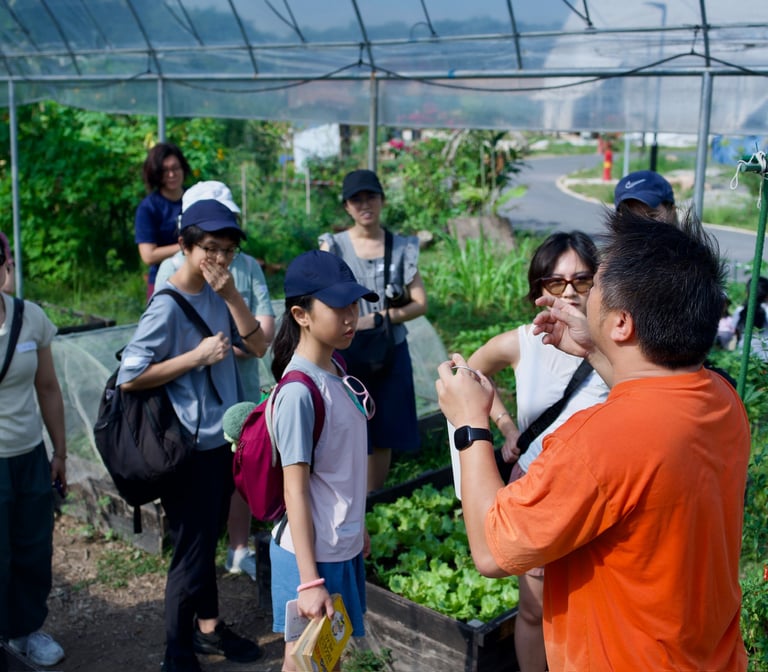
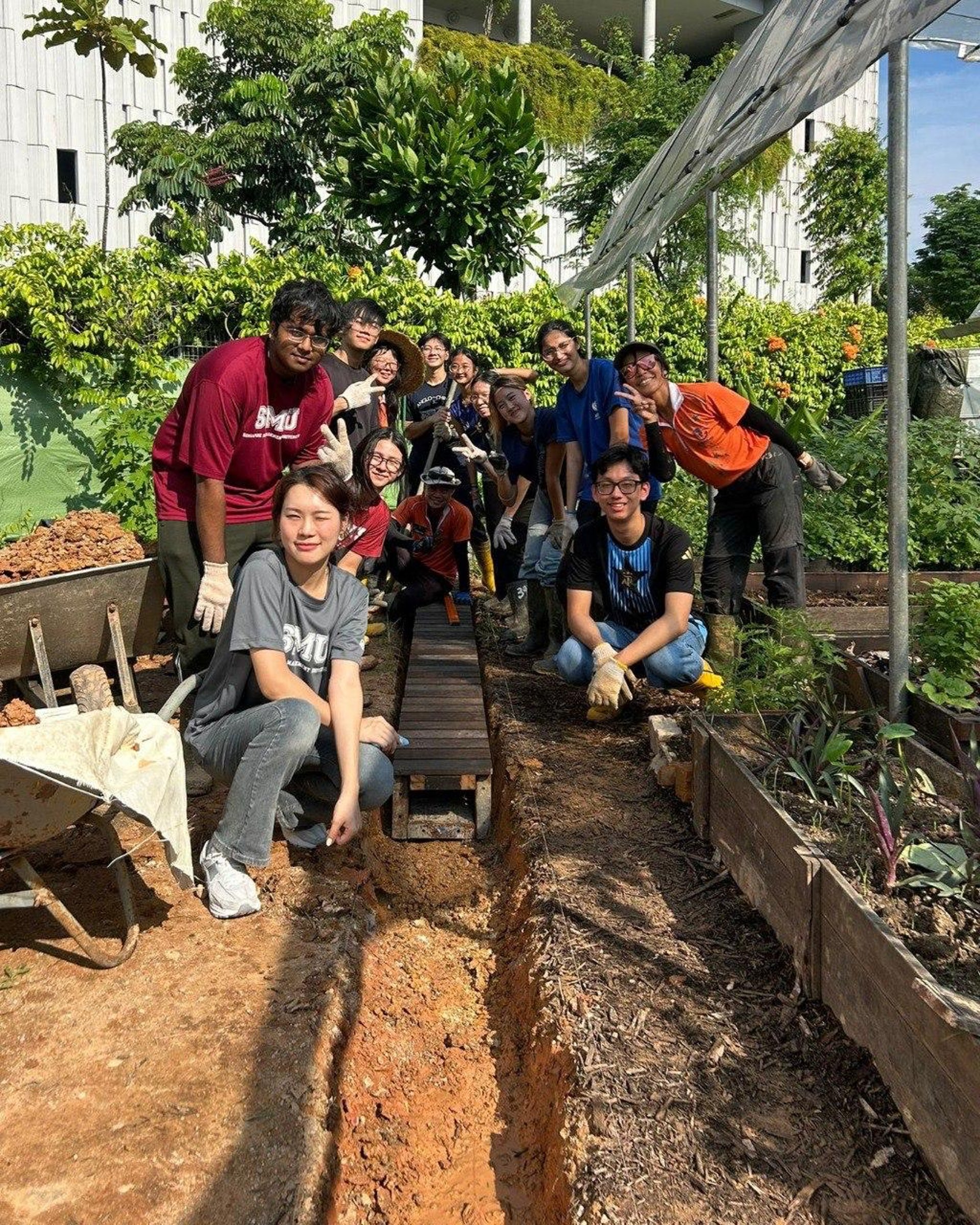
Our second workshop shifted focus to a system that touches all of us every day: food. In partnership with Ground-Up Initiative, participants used the Iceberg Model to explore what sits beneath the surface of urban food systems.
The Systemic Question
Why does building more resilient and sustainable food systems remain challenging, even as awareness around food security and local production continues to grow?
What Emerged
Participants explored challenges such as food insecurity, waste, and import dependence. Conversations highlighted how food system outcomes are shaped not only by infrastructure and policy, but also by relationships, assumptions around convenience and affordability, and deeper beliefs about food, community, and responsibility — reminding us that resilient food systems require both hardware and heartware.

Human-Wildlife Conflict x Polarity Mapping
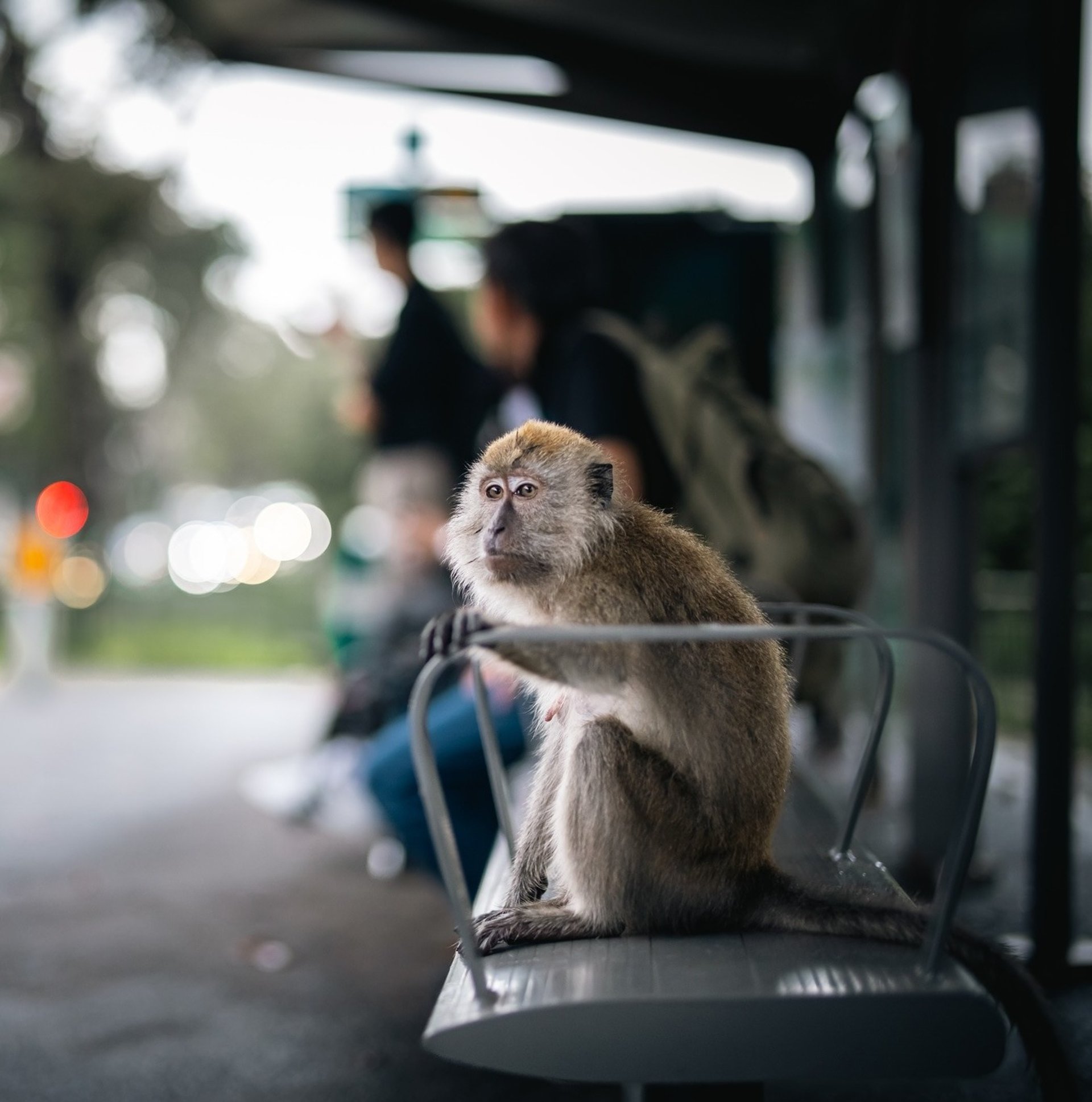
In the third workshop, we shifted our lens to the "wild neighbors" sharing our urban spaces. Working with Our Wild Neighbours, we introduced a new tool: Polarity Mapping.
The Systemic Question
How might we navigate competing needs between human safety, urban development, and biodiversity conservation?
What Emerged
Conversations highlighted how outcomes sharing co-existence are influenced not only by ecological considerations, but also by public expectations, development priorities, perceptions of risk, and differing ideas about what living in a City in Nature should look like. Discussions also highlighted that coexistence strategies need to vary across species and contexts. A recurring insight emerged: meaningful coexistence requires navigating tensions rather than eliminating them.

Across these first three workshops, systems tools created space for participants from different sectors and backgrounds to slow down and explore complexity together. Whether examining marine conservation, urban food systems, or human–wildlife coexistence, the workshops surfaced how relationships, assumptions, and competing priorities shape the sustainability challenges we face — and why navigating them requires more than technical solutions alone.
As Seeds of Change moves into the second half of the year, the focus shifts from understanding systems to exploring futures. Through tools such as Three Horizons, Futures Triangle, and Futures Wheel, upcoming workshops will invite participants to explore emerging signals, imagine alternative pathways, and strengthen our collective capacity to navigate uncertainty.
If you are working on complex sustainability challenges — whether in philanthropy, civil society, government, business, research, or community spaces — we invite you to join us. Because making sense of complexity is not something we do alone; it is something we practice together.